
Tendonitis in the Knee: Understanding patellar and quadriceps tendon strain
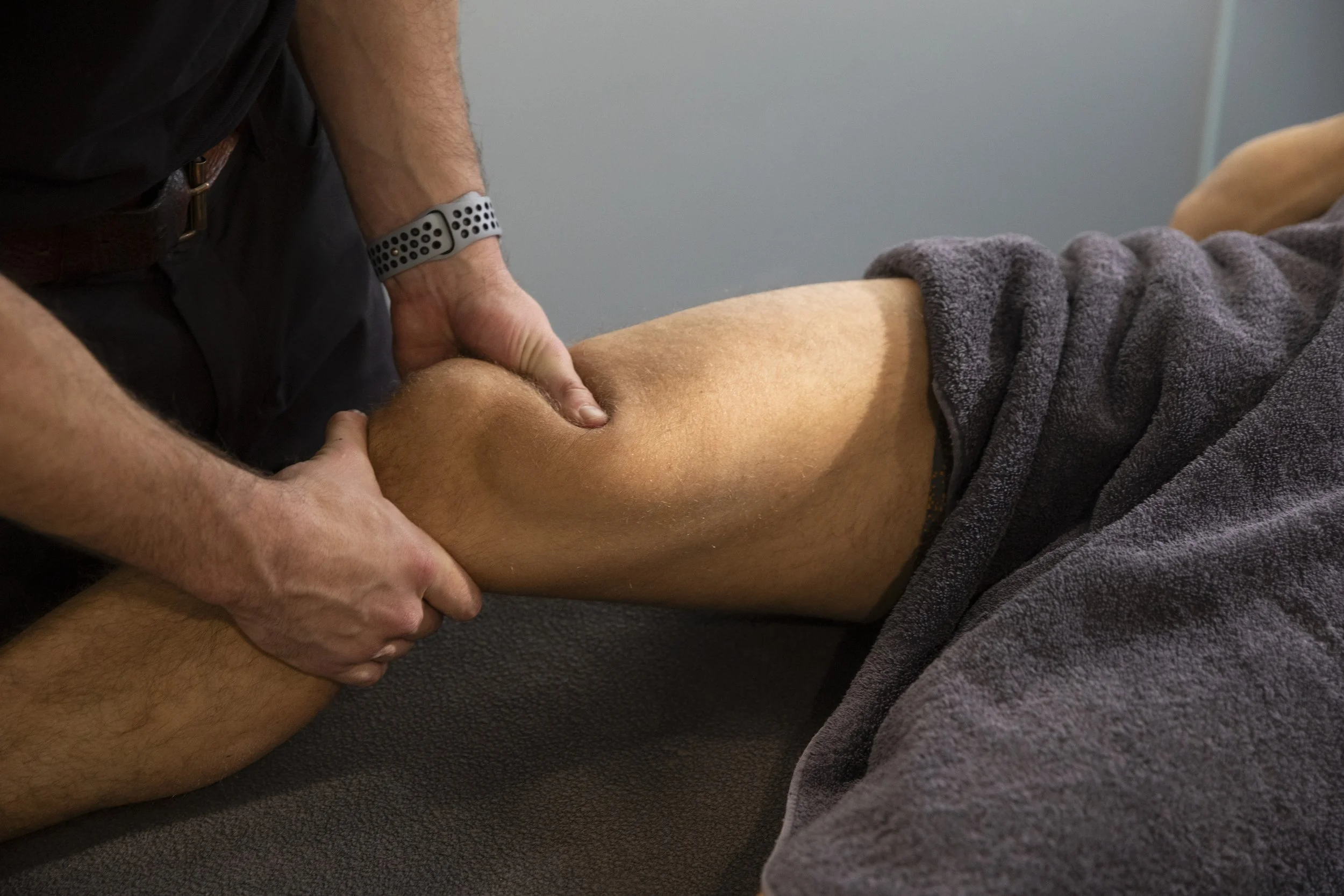
That sharp ache at the front of your knee—especially after running, jumping or climbing stairs—might be tendonitis. This pain usually comes from irritation in either the patellar tendon (just below the kneecap) or the quadriceps tendon (just above it). Knee tendon pain can be frustrating, especially when it limits your movement or exercise routine—but with the right care, recovery is definitely possible.
What is knee tendonitis?
Let’s break it down:
Tendon = the strong tissue that connects muscle to bone
-itis = inflammation or irritation
Around the knee, the two tendons most commonly affected are:
Patellar tendonitis (“jumper’s knee”) – pain just below the kneecap
Quadriceps tendonitis – pain above the kneecap, where the thigh muscles attach
These conditions are usually caused by overuse or extra load on the knee and are common in runners, athletes or anyone who has recently increased their activity.
Why does knee tendonitis happen?
Tendonitis doesn’t appear overnight—it generally develops after repeated stress the tendon isn’t prepared for.
Common causes include:
Overuse – from jumping, running, squatting or repetitive sports
Sudden increase in training – more weight, distance or intensity too quickly
Poor biomechanics – weak glutes or core can shift more load to the knees
Tight muscles – tight quads or hamstrings increase pressure through the tendon
Age-related changes – tendons lose elasticity over time, making them more prone to irritation
Common signs & symptoms
You may notice:
Aching or sharp pain at the front of the knee
Tenderness when pressing above or below the kneecap
Pain during or after activity
Stiffness after sitting or resting for long periods
Mild swelling around the knee
If symptoms don’t improve or keep coming back, it’s a good idea to get your knee assessed.
Recovery & self-care strategies
Rest (if needed)
If pain is severe, reduce load temporarily to let irritation settle.
Modify activities
Swap high-impact exercise (like running or jumping) for low-impact options like swimming, cycling or yoga.
Reduce inflammation
Apply ice for 10–15 minutes to soothe pain
Compression sleeves can help support the tendon and reduce swelling
Strengthen and stretch
Building balanced strength is key for recovery:
Quadriceps and hamstrings – squats, step-ups, slow knee bends
Glute activation – clamshells, bridges
Stretching – quads, hamstrings and calves
Always warm up before exercise.
Correct movement patterns
Check alignment during exercise and daily activities
Supportive footwear may help reduce extra strain
Seek professional guidance
Chiropractors and physiotherapists can assess the cause, provide hands-on treatment, prescribe rehab exercises and use techniques like taping or dry needling if needed.
Prevention: Protecting your knees long-term
To keep your knees healthy:
Warm up and cool down properly
Gradually increase training volume and intensity—avoid sudden changes
Include strength training for the glutes, core and legs
Listen to your body—pain is a signal, not an inconvenience
Final thoughts
Knee tendon pain can be discouraging, but it doesn’t have to be permanent. With the right approach—rest, strengthening, good movement habits and professional support—you can return to the activities you love and protect your knee for the future.
Key takeaways
Knee tendonitis affects the tendons above or below the kneecap (quadriceps or patellar tendon).
Recovery includes reducing load, improving strength and flexibility and correcting biomechanics.
Prevention involves gradual progress in training, supportive strength work and listening to your body.
Disclaimer: This article is created and published online for informational purposes only. It is not intended to be a substitute for professional medical advice and should not be relied on as health or personal advice.